
Skip
Tickets for the PCIM Expo & Conference 2026

Ready for the future? Take off into the world of power electronics with your ticket – full of innovations, trends, and new impulses. Secure your ticket now:

Search and find – exhibitor search provides a comprehensive overview of industry players, featuring detailed profiles of the PCIM Expo exhibitors 2026 as well as the latest solutions and products in power electronics.
Mitsubishi Chemical Europe GmbH
Product: “ALSET” Heat-Reducing & Low Inductance Laminated Busbar for Power Modules

“ALSET” Heat-Reducing & Low Inductance Laminated Busbar for Power Modules

Mitsubishi Chemical Europe GmbH

Description

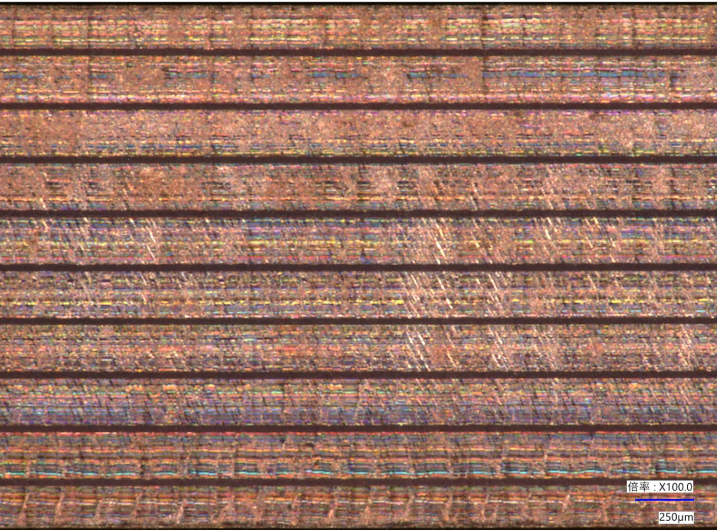
ALSET™ is a composite material in which metal layers and insulating resin films are firmly laminated together without the use of adhesives.

Mitsubishi Chemical offers laminated busbar materials based on multiple layers of ALSET™, enabling both heat reduction and low inductance for power module applications.

In conventional solid copper busbars, high-frequency AC currents cause the skin effect, where current concentrates near the conductor surface. This reduces the effective current-carrying cross-sectional area, increases AC resistance, and leads to higher heat generation.

By contrast, ALSET™ uses copper layers thinner than the skin depth, laminated with insulating films to form a multilayer structure. This design significantly suppresses the skin effect, increases the effective current-carrying area, and reduces AC resistance, thereby lowering heat generation.

Compared with solid copper busbars, ALSET™ laminated busbars can reduce electrical resistance by 20–30% and inductance by approximately 30%, contributing to higher efficiency, improved thermal performance, and enhanced reliability of power modules.

https://www.m-chemical.co.jp/en/products/departments/mcc/industrial-medical/product/1201172_8054.html
More products by Mitsubishi Chemical Europe GmbH

Thermal conductive BN resin sheet

Thermal conductive BN resin sheet

<Overview>

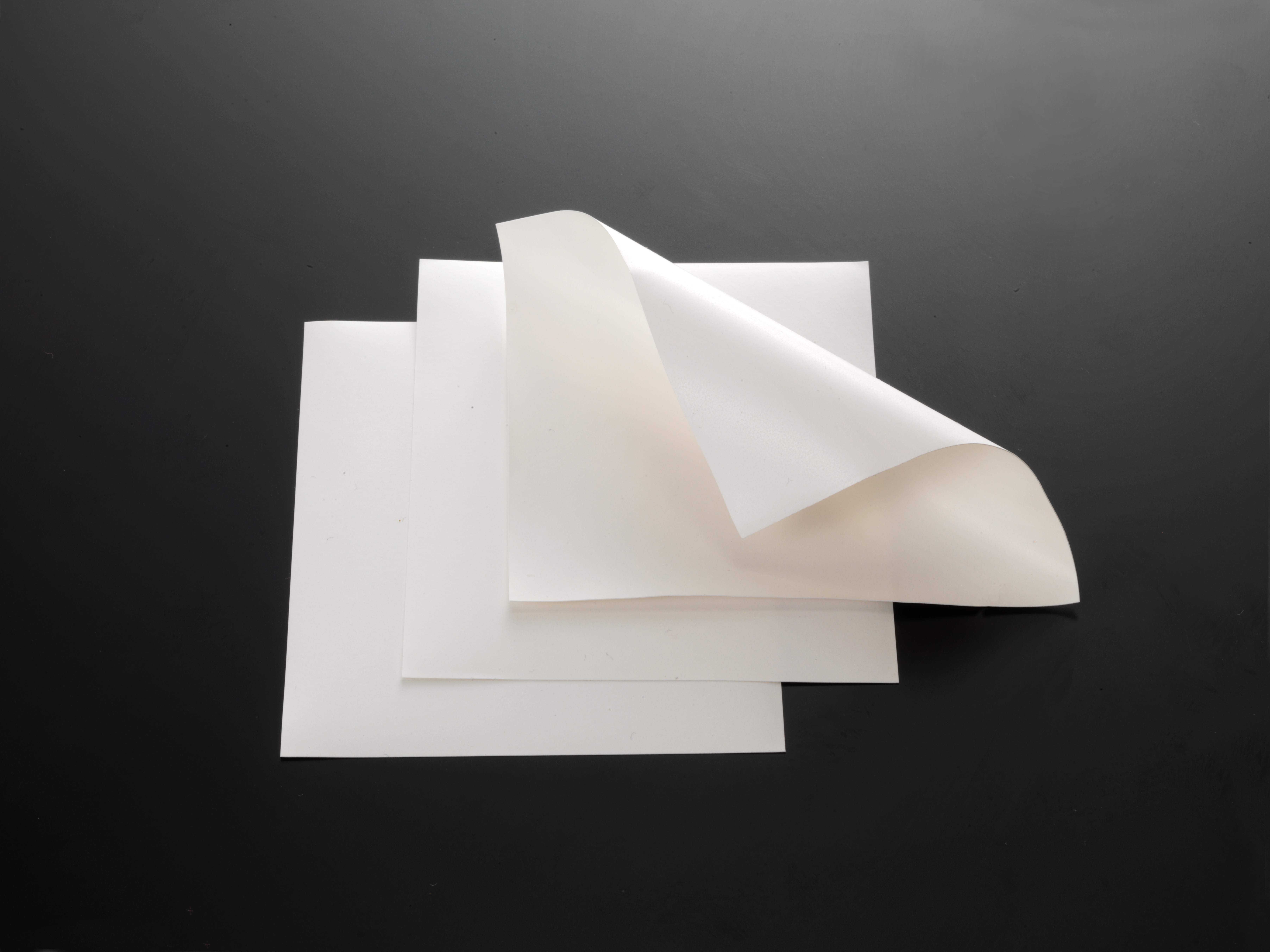
Mitsubishi Chemical Corporation (MCC) introduces a resin sheet that combines high thermal conductivity and high electrical insulation, making it suitable for heat dissipation in power modules used in applications such as inverters. By bonding this sheet to cooling plates for transfer molded power semiconductor devices, it enables efficient heat dissipation, reduction of total system cost, low-profile inverter design, and simplification of inverter structures. In addition to the existing 15 W/mK sheet, an 18 W/mK sheet (under development) has now been added to the lineup.

Furthermore, MCC not only develops and manufactures the sheets and fillers themselves, but also conducts performance evaluations in module-bonded configurations that reflect actual customer usage conditions. Based on customers’ evaluation results, we offer recommendations for optimal usage methods and optimize sheet formulations tailored to specific applications.

<Features>

In case of IMS (Insulated Metal Substrates), resin-based insulating thermal interface sheets are widely used. In addition to conventional IMS applications, MCC’s thermal conductive sheets are now compatible with bonding to cooling plates for transfer molded power semiconductor devices. Functions that previously required a combination of multiple materials - electrical insulation, heat dissipation, and adhesion - can now be achieved with a single resin sheet. This contributes to improved module reliability, reduced total cost, and low-profile inverter design, enabling simpler inverter designs. Since the sheet itself provides the insulation function, it is applicable to a wide range of bonded applications that require both insulation and heat dissipation, including discrete devices, non insulated 2 in 1 modules expected to emerge in the future, and other similar use cases.

In addition to the previously proposed 15 W/mK sheet, development of an 18 W/mK sheet is underway, and samples are now available. Both products exhibit a dielectric withstand voltage of AC 7 kV (typical value at a thickness of 150 μm).

Achieving high thermal conductivity in resin sheets generally requires increasing the content of inorganic fillers, which often results in reduced flexibility. To address this issue, our sheets utilize a proprietary boron nitride (BN) filler design, significantly improving handling characteristics. Because the BN filler itself contributes substantially to thermal performance, high thermal conductivity can be achieved even at relatively high resin content. As a result, excellent flexibility - which is critical for ease of handling - is maintained while still achieving high thermal conductivity.

When selecting heat dissipation materials for applications requiring superior thermal performance - such as traction inverters for xEV - we encourage you to consider this product as one of your options.

Contact information: MCJP-MBX-MCC_BNPROJECT@mchcgr.com

https://www.m-chemical.co.jp/en/products/departments/mcc/nes/product/1215372_9004.html

1 / 2