

Skip
Tickets for the PCIM Expo & Conference 2026

Ready to experience the future? Take off into the world of power electronics with all its innovations, trends, and inspirational developments. Secure your ticket now:

PCIM Directory – Suppliers and Solutions for Power Electronics

Search and find – exhibitor search provides a comprehensive overview of industry players, featuring detailed profiles of the PCIM Expo exhibitors 2026 as well as the latest solutions and products in power electronics.
Anyang Kayo Amorphous Technology Co., Ltd

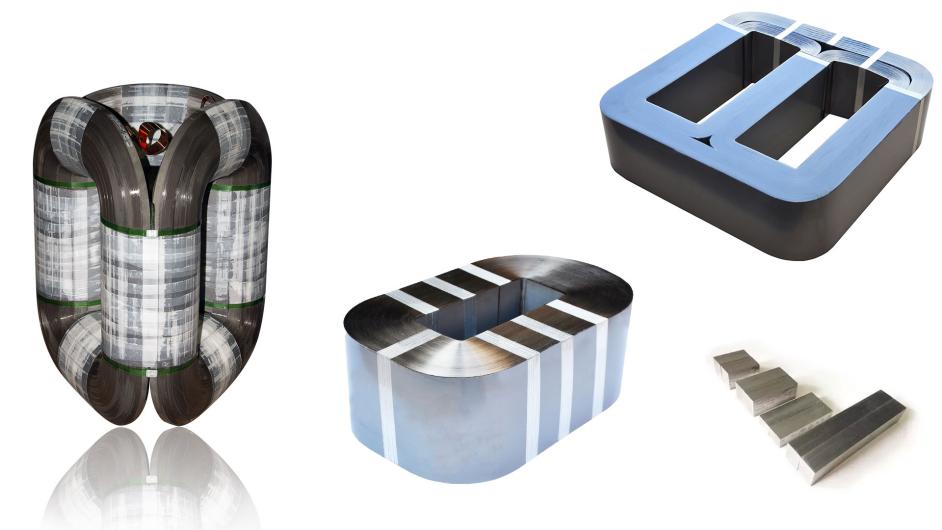
Amorphous Transformer Core (Dry-type, Oil-immersed, 3D, Amorphous Block, Cut Core)

Amorphous Transformer Core (Dry-type, Oil-immersed, 3D, Amorphous Block, Cut Core)

Anyang Kayo Amorphous Technology Co., Ltd

Description

Introduction
Amorphous Cores are made by Amorphous strips which are materials produced through rapid cooling of molten metal, resulting in an atom structure that lacks a crystalline pattern. This unique structure gives amorphous cores exceptional magnetic properties, making them highly efficient for use in electrical and electronic applications. They are known for their low core loss and high permeability, which are critical for reducing energy consumption and improving system performance.

Applications
Amorphous cores are widely used in various industries, particularly in energy-efficient devices. Key applications include:
Transformers: Used in power distribution transformers to reduce energy loss and improve efficiency.
Inductors and Chokes: Applied in high-frequency switching power supplies and inverters.
Motors and Generators: Used in electric motors and generators to enhance energy conversion efficiency.
Batteries: Integrated into battery management systems (BMS) for precise current sensing and monitoring.

Technical Specifications and Advantages
Low Core Loss: Amorphous cores exhibit significantly lower hysteresis and eddy current losses compared to traditional silicon steel cores.
High Permeability: Exceptional magnetic permeability allows for higher flux densities and compact designs.
High-Frequency Performance: Stable performance in high-frequency applications, making them ideal for modern power electronics.
Lightweight and Compact: Smaller size and lower weight compared to traditional cores, reducing overall system size.
Environmental Benefits: Lower energy consumption translates to reduced carbon emissions and improved sustainability.
More products by Anyang Kayo Amorphous Technology Co., Ltd

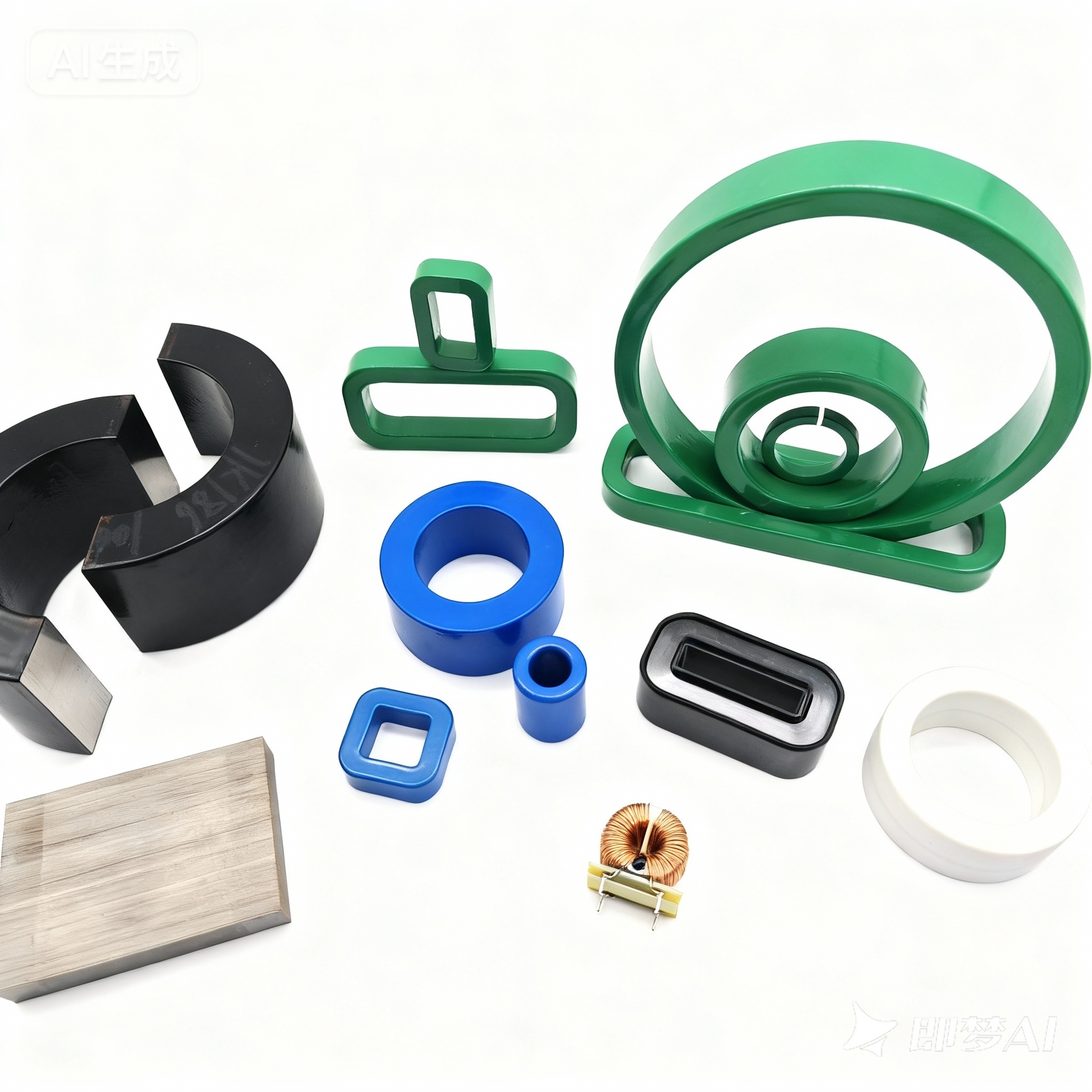
Nanocrystalline Core (Ring Core, Oval Core, Rectangle Core)

Introduction
Nanocrystalline cores are made of advanced magnetic materials composed of ultrafine crystalline grains, typically less than 100 nanometers in size. These materials are created through controlled processing of metallic glass, resulting in a unique microstructure that combines the benefits of both amorphous and crystalline materials. Nanocrystalline cores exhibit superior magnetic properties, such as high permeability, low core loss, and excellent thermal stability, making them ideal for high-performance applications.

Applications
Nanocrystalline cores are widely used in various industries due to their superior performance. Key applications include:

Inductors and Transformers: Used in high-frequency power supplies and transformers for electronic devices.
Current Sensors: Integrated into battery management systems (BMS) and motor control systems for precise current monitoring.
EMI Filters: Applied in electric vehicles (EVs) and renewable energy systems to reduce electromagnetic interference.
Motors and Generators: Used in advanced motor drive technologies to enhance efficiency and reduce energy loss.

Technical Specifications and Advantages
High Permeability: Nanocrystalline cores provide exceptional magnetic permeability, enabling higher flux densities and smaller core designs.
Low Core Loss: They exhibit significantly lower hysteresis and eddy current losses, improving energy efficiency and reducing heat generation.
High-Frequency Performance: Stable performance in high-frequency environments, making them suitable for modern power electronics.
Compact and Lightweight: Smaller size and lower weight compared to traditional materials, contributing to reduced system size and weight.
High Thermal Stability: Enhanced heat resistance ensures long-term reliability and performance.

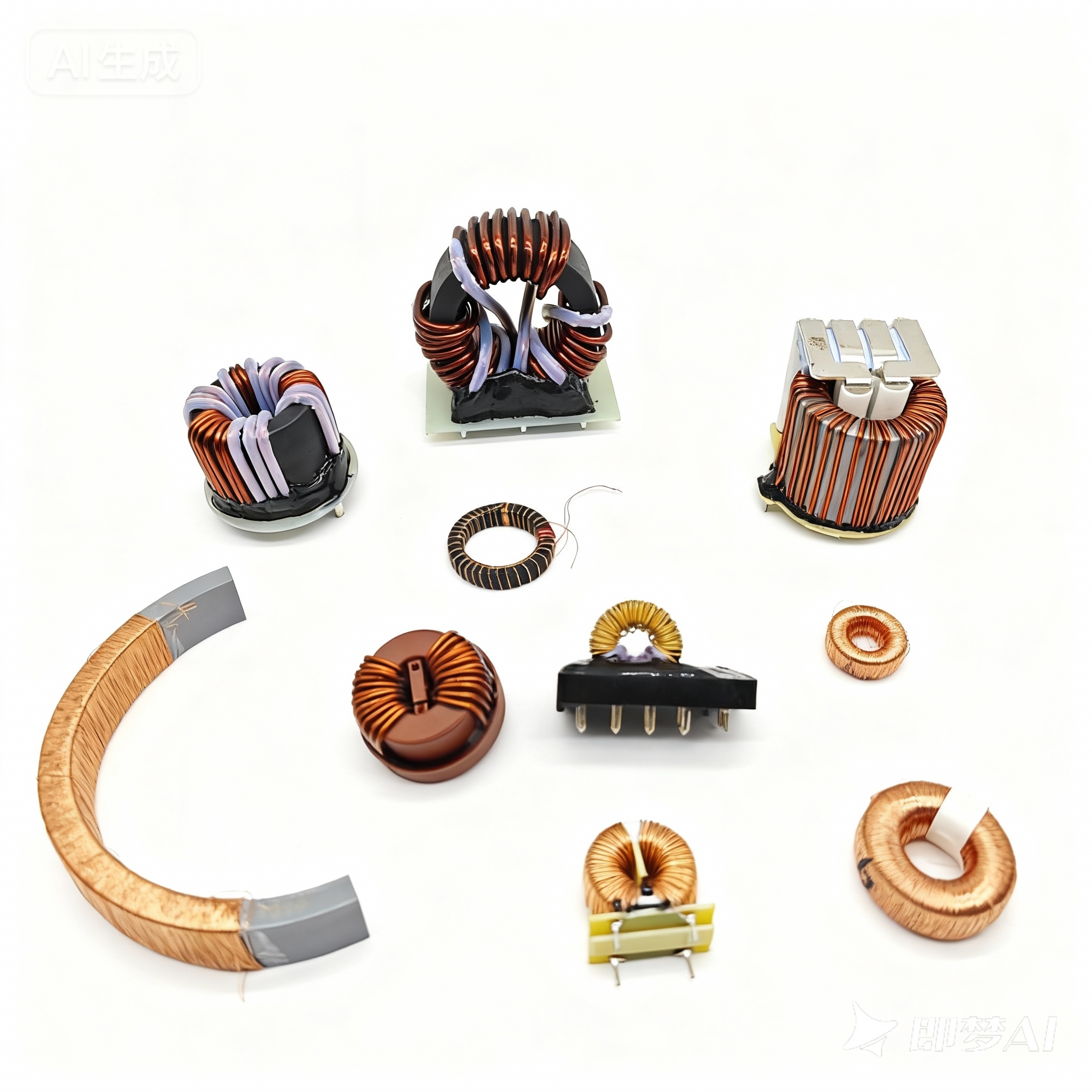
Current Transformer Core

Introduction
The nanocrystalline current transformer (CT) core is an advanced magnetic core made from ultrafine crystalline materials. These cores leverage the exceptional magnetic properties of nanocrystalline alloys, such as high permeability, low core loss, and excellent linearity. This makes them ideal for precise current measurement, reducing errors, and improving the overall efficiency of current transformer systems.

Applications
Nanocrystalline CT cores are widely used in high-precision and high-reliability applications, including:

Power Grids: Used in substations to accurately measure and monitor current in transmission and distribution networks.
Instrumentation: Integrated into advanced metering systems, such as smart meters and energy management systems.
Protection Systems: Used in circuit breakers and relay systems to detect overcurrent and provide fault protection with minimal error.
Renewable Energy: Applied in solar and wind energy systems to monitor and manage energy flow with high accuracy.
Electric Vehicles (EVs): Used in BMS (Battery Management Systems) to measure charging and discharging currents precisely.

Technical Specifications and Advantages
High Permeability: Nanocrystalline cores provide exceptional magnetic permeability, ensuring high sensitivity and accuracy in current measurement.
Low Core Loss: Significantly reduced hysteresis and eddy current losses improve energy efficiency and minimize heat generation.
Excellent Linearity: Provides near-zero distortion across a wide range of currents, resulting in highly accurate measurements.
High-Frequency Performance: Stable performance in high-frequency environments, making them suitable for modern power electronics.
Compact and Lightweight: Smaller size and lower weight compared to traditional materials, contributing to reduced system size and weight.
High Thermal Stability: Enhanced heat resistance ensures long-term reliability and performance in demanding environments.

1 / 2