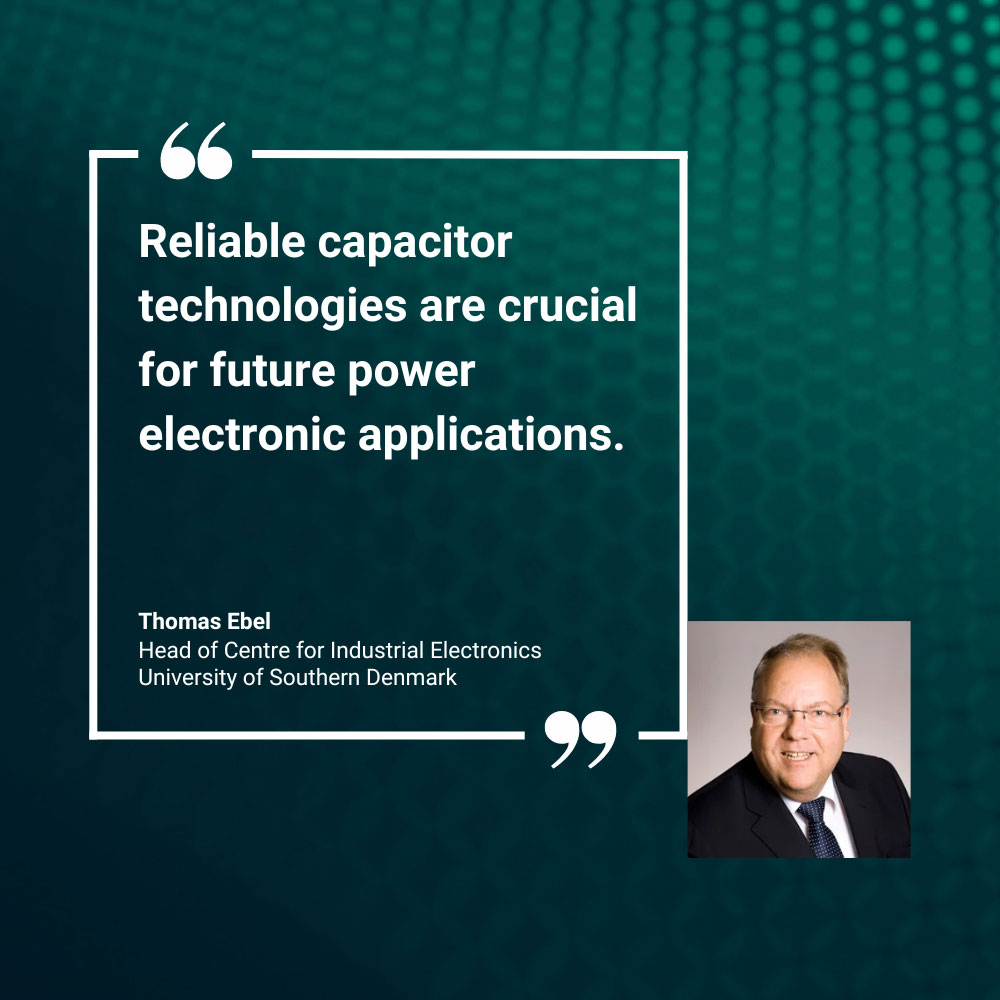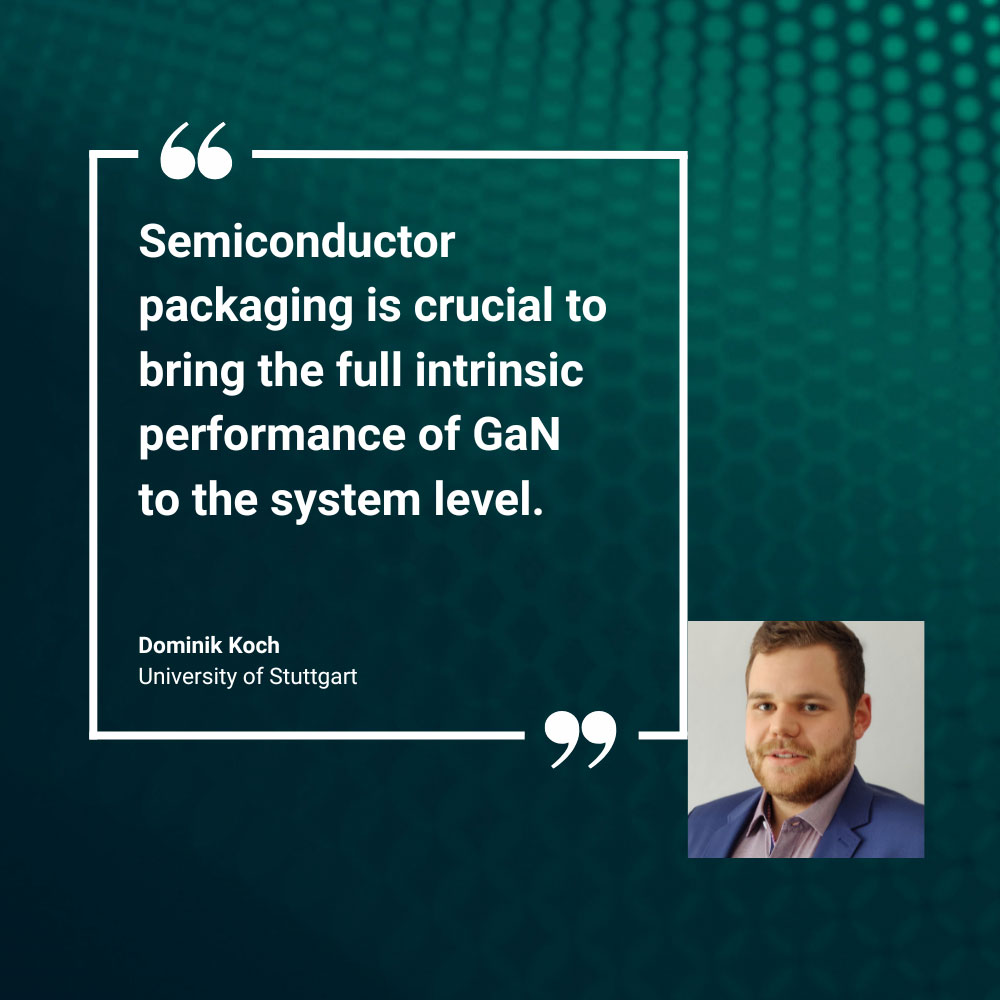

Prof. Marco Jung talks to Ravinder Venugopal, Managing Director at OPAL-RT Germany, about the issues and approaches (from parallel processing to solvers and FPGAs) in episode 3 of the PCIM Podcast.
They also discuss the future, with digital twins harnessing live data to improve real-time simulations, with the support of AI.
About Dr. Ravi Venugopal
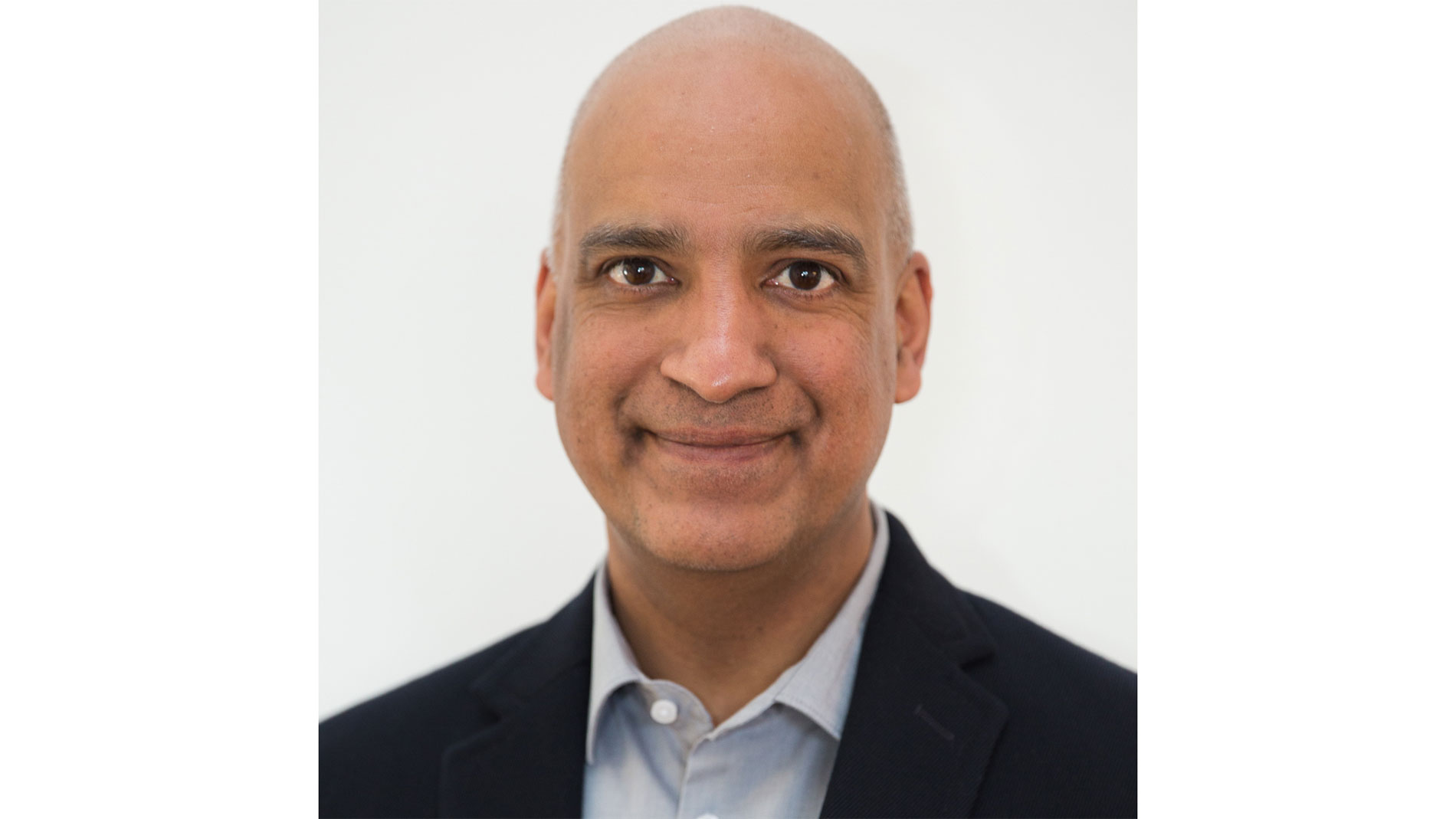
Dr. Ravi Venugopal is the managing director of OPAL-RT Germany GmbH, the German subsidiary of OPAL-RT Technologies, a global market-leader in real-time simulation of power systems and power electronics.
He earned his doctorate in aerospace engineering from the University of Michigan, Ann Arbor, (USA) specializing in control systems. Furthermore he holds a master’s degrees in electrical engineering and aerospace engineering. He has over 25 years of experience in the field of real-time simulation across the energy, aerospace and automotive sectors. In the last ten years, he has worked closely with technical leaders on hardware-in-the-loop testing for power electronic systems with a focus on renewable energy integration and e-mobility. He is keenly interested in technology transition from academic and research institutions to industrial practice.