
The Megatrends Shaping Our World
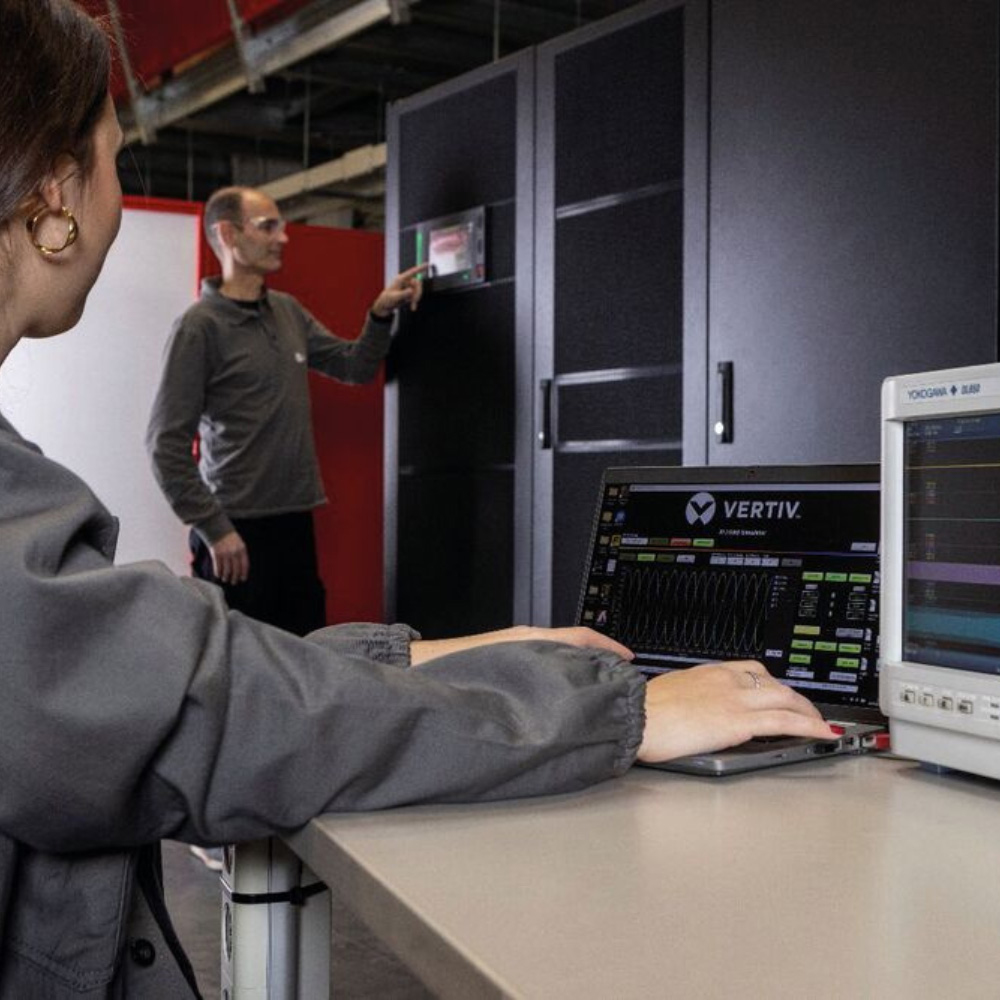
We are living in a transformative period where two massive megatrends are reshaping the global industrial and consumer landscapes: Industrial Automation and Electrification. The transition towards sustainable energy and interconnected smart manufacturing is accelerating at an unprecedented pace. At Henkel, we capture this momentum under our campaign of Ideas in Motion. This concept enables our partners to scale by empowering them with advanced material science solutions.
The Electrification Imperative
The push towards comprehensive electrification—spanning electric mobility (e-mobility), renewable energy generation, and advanced power grids—is fundamentally altering how we generate, distribute, and consume power. Electric vehicles are demanding higher range and faster charging times, which in turn requires power electronics that can handle massive voltage and current loads without degrading. Similarly, the infrastructure supporting this shift, from solar inverters to high-voltage grid stations, must operate flawlessly for decades under constant stress. Electrification is no longer a niche market; it is the baseline for future global infrastructure.
The Rise of Industrial Automation
Simultaneously, industrial automation is driving the fourth industrial revolution (Industry 4.0). Modern factories are becoming increasingly autonomous ecosystems. They rely heavily on interconnected Internet of Things (IoT) devices, sophisticated sensors, edge computing, and robotics that must operate with absolute precision around the clock. In these environments, tolerance for downtime is practically zero. A single failure in a sensor or a motor control unit can bring an entire production line to a halt, resulting in catastrophic financial losses and supply chain disruptions.
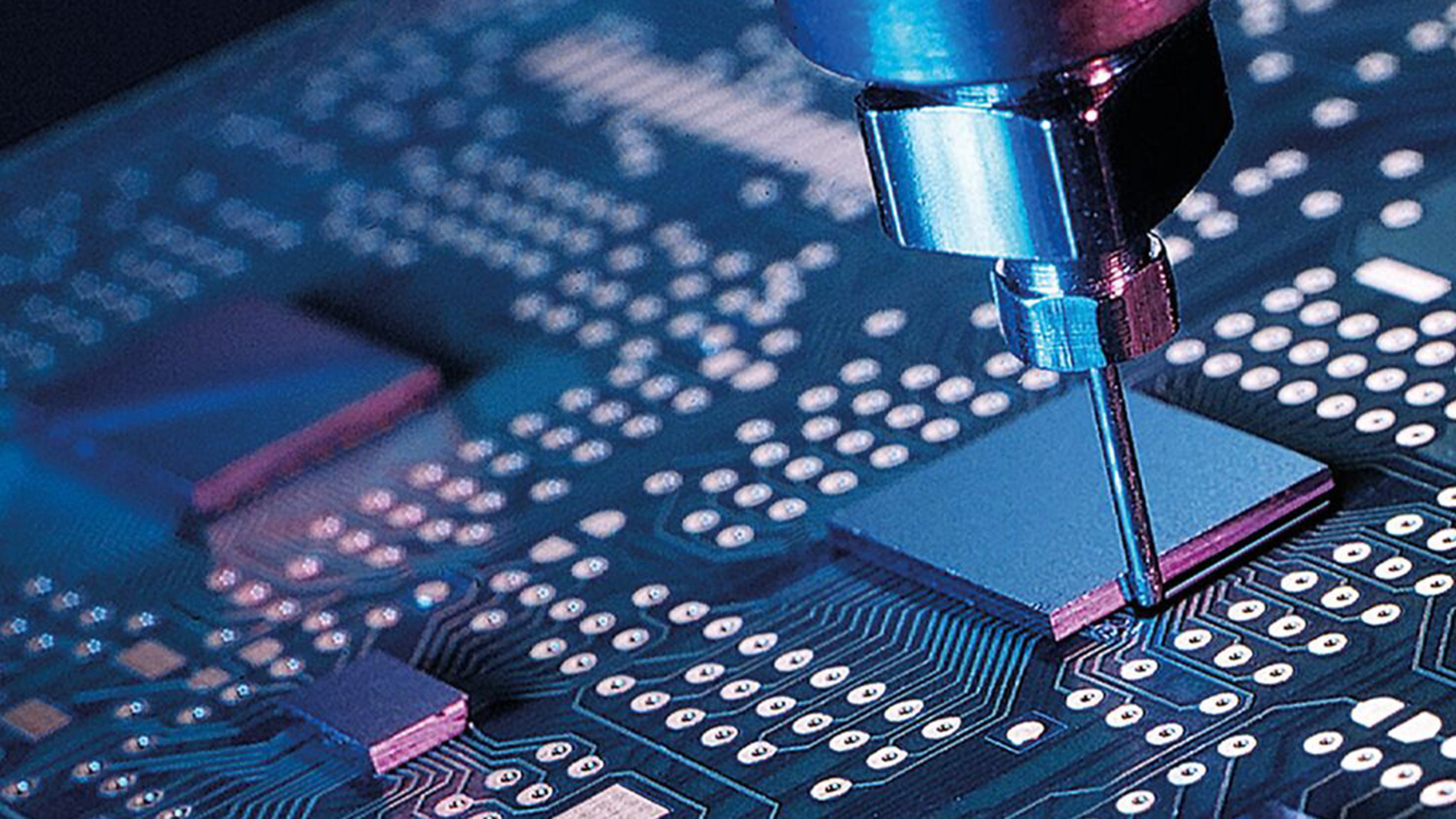
As we demand higher performance and seamless connectivity, the underlying electronic systems are being pushed to their absolute limits in increasingly harsh environments.” However, these megatrends bring profound engineering challenges. The electronic systems driving these megatrends are deployed in increasingly brutal environments, subjected to extreme temperatures, mechanical vibration, moisture, and chemical exposure. When high-performing, dependable electronics are non-negotiable, the focus must shift to how we protect these vital investments from the inside out.
The Core Challenge – Managing Complexity, Heat, and Harsh Environments
As electronic systems integrate more capability into increasingly challenging, complex designs and highly compact footprints, their inherent vulnerability increases. The miniaturization of components means that power densities are rising at a staggering rate. While smaller, more powerful devices are the goal, they bring a silent but highly destructive byproduct: Heat.
The Critical Role of Thermal Management
Efficient heat control is no longer a secondary consideration; it is an absolute necessity for system viability and safety. If potentially damaging heat is not rapidly and effectively dissipated across electronics applications, the performance degrades exponentially, and the operational lifetime of the device plummets. In high-power applications like EV battery management systems or industrial motor drives, excessive heating can lead to thermal runaway, causing complete system failure or even fire hazards. Traditional cooling methods often fall short in modern, tightly packed architectures, necessitating advanced thermal interface materials that can bridge the gap between heat-generating components and heat sinks at a microscopic level.
Defending Against the Elements
Beyond thermal management, the physical safeguarding of function is vital. Protection materials are some of the most critical elements of next-generation electronic system design. The modern printed circuit board (PCB) or power module might be a marvel of electrical engineering, but without the right encapsulation, coating, or underfill, it remains entirely exposed to real-world operational hazards.
Moisture can cause short circuits and corrosion; dust and metallic particles can bridge connections; and constant vibration in automotive or industrial settings can physically break solder joints. Defending electronics against these various contaminants and environmental exposure extremes is the only way to secure operational reliability and prolong useful lifetime.
This requires a holistic approach to material selection—one that views protective and thermal materials not as an afterthought applied at the end of the line, but as an integral structural component of the electronic system from the very first design phase.
Proven Protection – Henkel’s Solutions for Next-Generation Designs
To address these escalating industry demands, Henkel has developed a high-performance materials portfolio specifically engineered for the rigors of modern power electronics. We understand that safeguarding function and extending the useful life of electronic systems are vital to protecting your investment.
Award-Winning Thermal Solutions
Henkel’s innovative thermal management solutions portfolio is designed to address and dissipate potentially damaging heat across a vast array of electronics applications. Utilizing multi-award-winning formulations in various mediums—including phase change materials, thermal greases, gap pads, and liquid gap fillers—Henkel provides tailored thermal management materials that help in enabling optimal performance and significantly extending device lifetime.
Comprehensive Protection Portfolio
Our protection portfolio goes beyond heat management to offer an impenetrable shield against mechanical and environmental stress. This includes board-level underfills that reinforce brittle solder joints against thermal cycling and shock, ensuring the physical integrity of the board.
At this year’s exhibition, Henkel’s booth will feature a curated display of our key portfolio, highlighting recent, groundbreaking innovations for industrial electronics. We invite you to explore our advanced solutions:
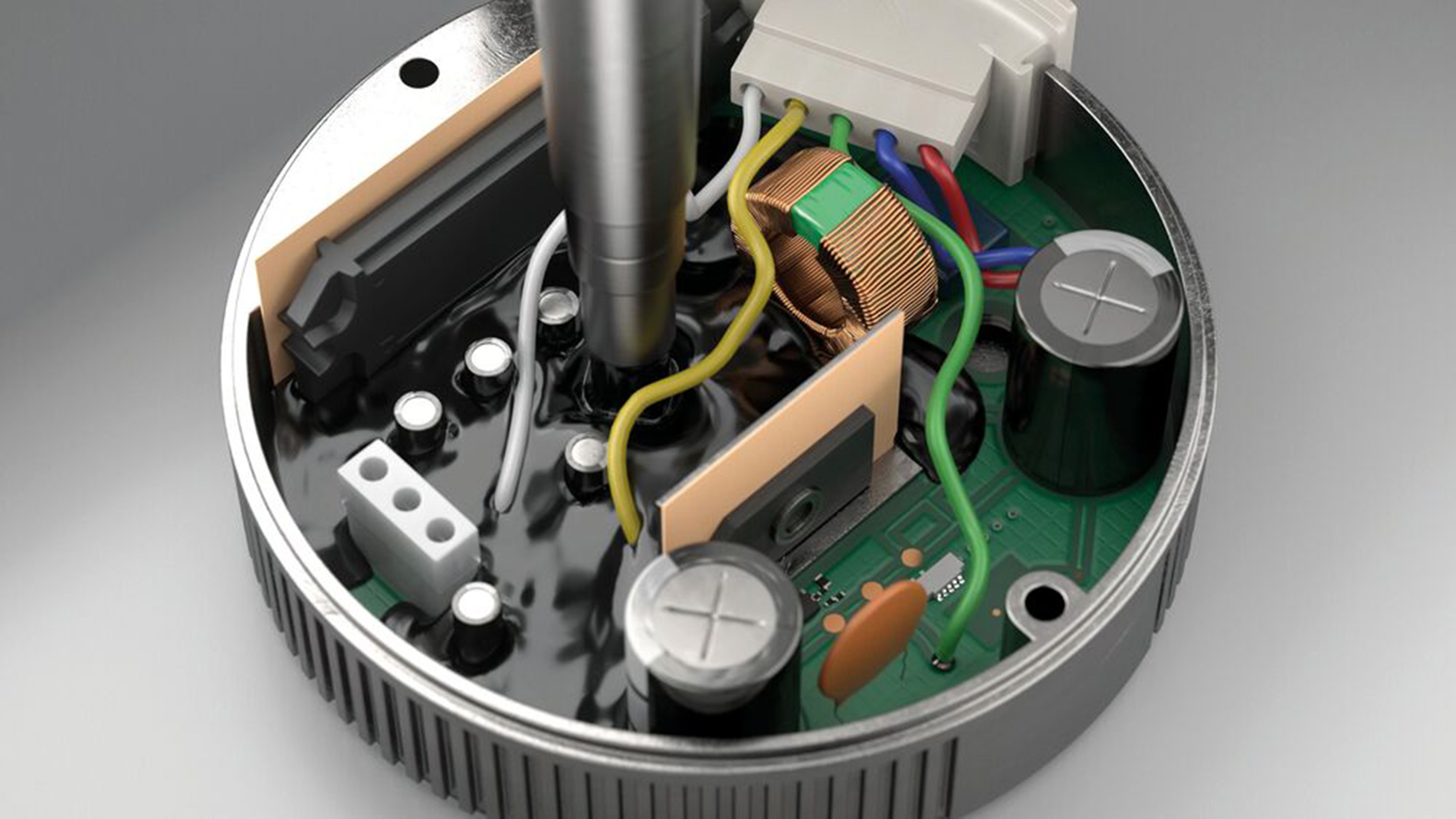
- Advanced Potting Solutions: We are highlighting high-reliability encapsulants such as LOCTITE STYCAST US 8000. Designed for rugged environments, this potting material offers superior protection for sensitive components against moisture, chemicals, and mechanical shock, ensuring long-term stability in power applications.
- Low-Pressure Molding Materials: Discover the efficiency of the three-step low-pressure molding process with TECHNOMELT PA 6370. This innovative material encapsulates, seals, and protects in a fraction of the time required by traditional potting, offering a lightweight, environmentally responsible solution that streamlines manufacturing.
- Conformal Coating Solutions: Explore the robust environmental defense provided by LOCTITE STYCAST CC 8555. This advanced coating conforms seamlessly to the PCB topography, providing a critical barrier against humidity, dust, and harsh industrial atmospheres without adding significant weight or volume.
Experience the Innovations Live
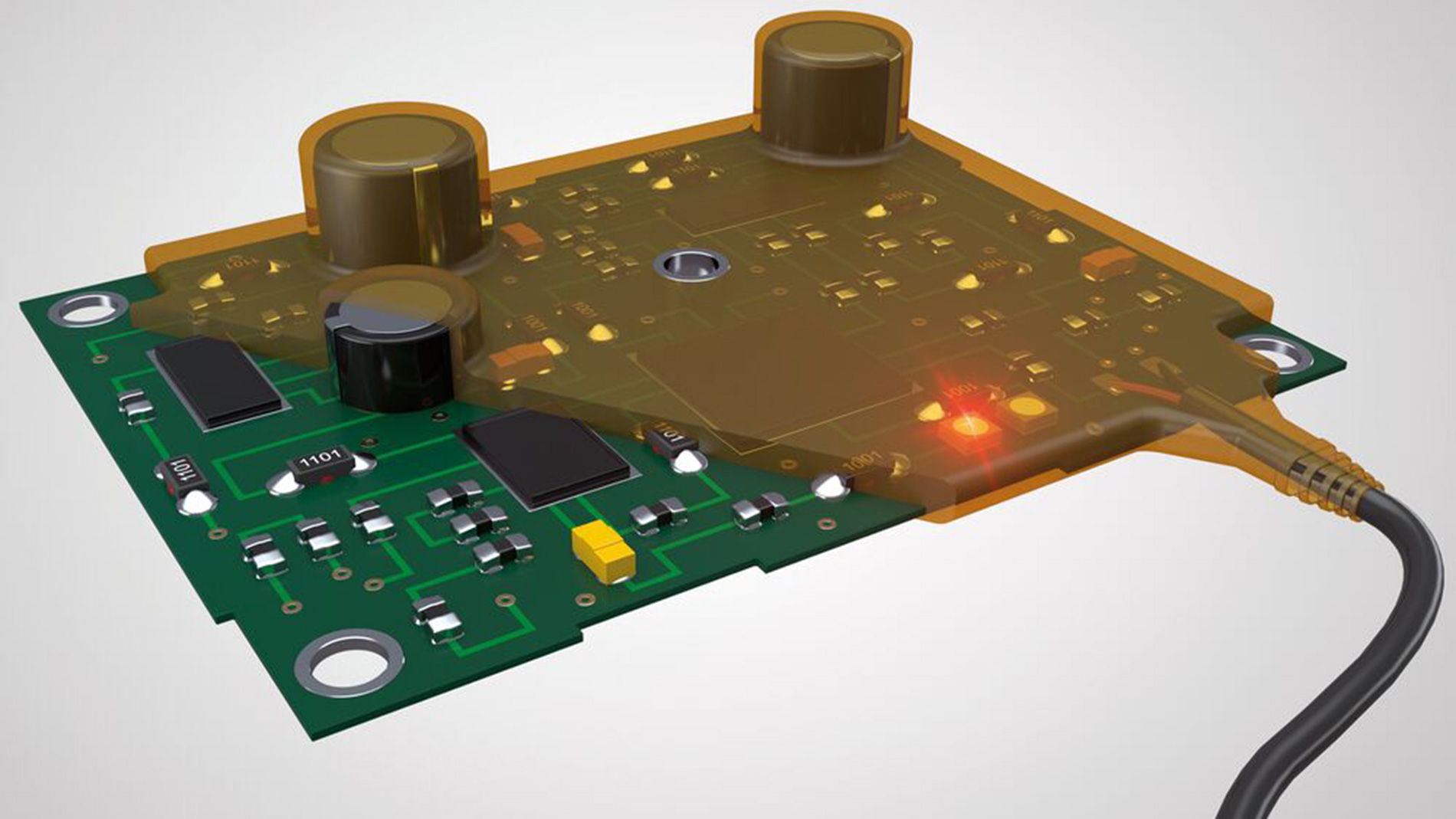
Each product design is unique, and the material requirements are highly dependent on your specific operational needs and manufacturing processes. The dedicated product wall at our booth will showcase our extensive range of thermal management and protection products. Furthermore, visitors can experience the precision of our solutions firsthand during a live underfill application demonstration directly at the booth. Let’s put your Ideas in Motion. Visit the Henkel experts in Hall 4, Stand 4-124 to discuss your specific engineering challenges and gain the expert material solutions needed to secure your next-generation designs.