By Martin Schiestl, Patrick Haselwanter and Maurizio Incurvati, all at Infineon Technologies
Battery-powered applications equipped with electric drives are accelerating innovation in power electronics and motor control across a wide range of industries, where efficiency directly impacts system-level performance. In drones, every percentage point of efficiency can extend flight time, increase payload, or improve operational range. Similarly, e-bikes rely on highly efficient motor drives to extend operating range while balancing performance, weight, and cost. The same trend can be observed in cordless power tools, where compact size, high power density, and long operating time are critical differentiators.
Across all these applications, improving power conversion efficiency and motor control performance has become a key enabler for enhanced user experience and system capability. As battery-powered devices continue to proliferate, demands on semiconductor technologies, sensing solutions, and advanced control architectures continue to increase.
One application area that combines these challenges particularly well is robotics. The spectrum ranges from consumer products such as robotic vacuum cleaners and lawn mowers to commercial drones, autonomous mobile robots, collaborative robots, and, increasingly, humanoid robots. Many of these systems operate from batteries and therefore face the same constraints regarding efficiency, power density, thermal performance, size, weight, and runtime.
At the same time, the robotics market is experiencing remarkable growth. According to ABI Research and Goldman Sachs, global robot shipments could exceed 100 million units annually by 2030, with humanoid robots representing the fastest-growing segment and expected to grow by approximately 140% per year between 2025 and 2030. This momentum highlights the significant potential of humanoid robotics, a market that UBS estimates could reach up to USD 1.7 trillion by 2050.
The Challenge of Actuation in Humanoids
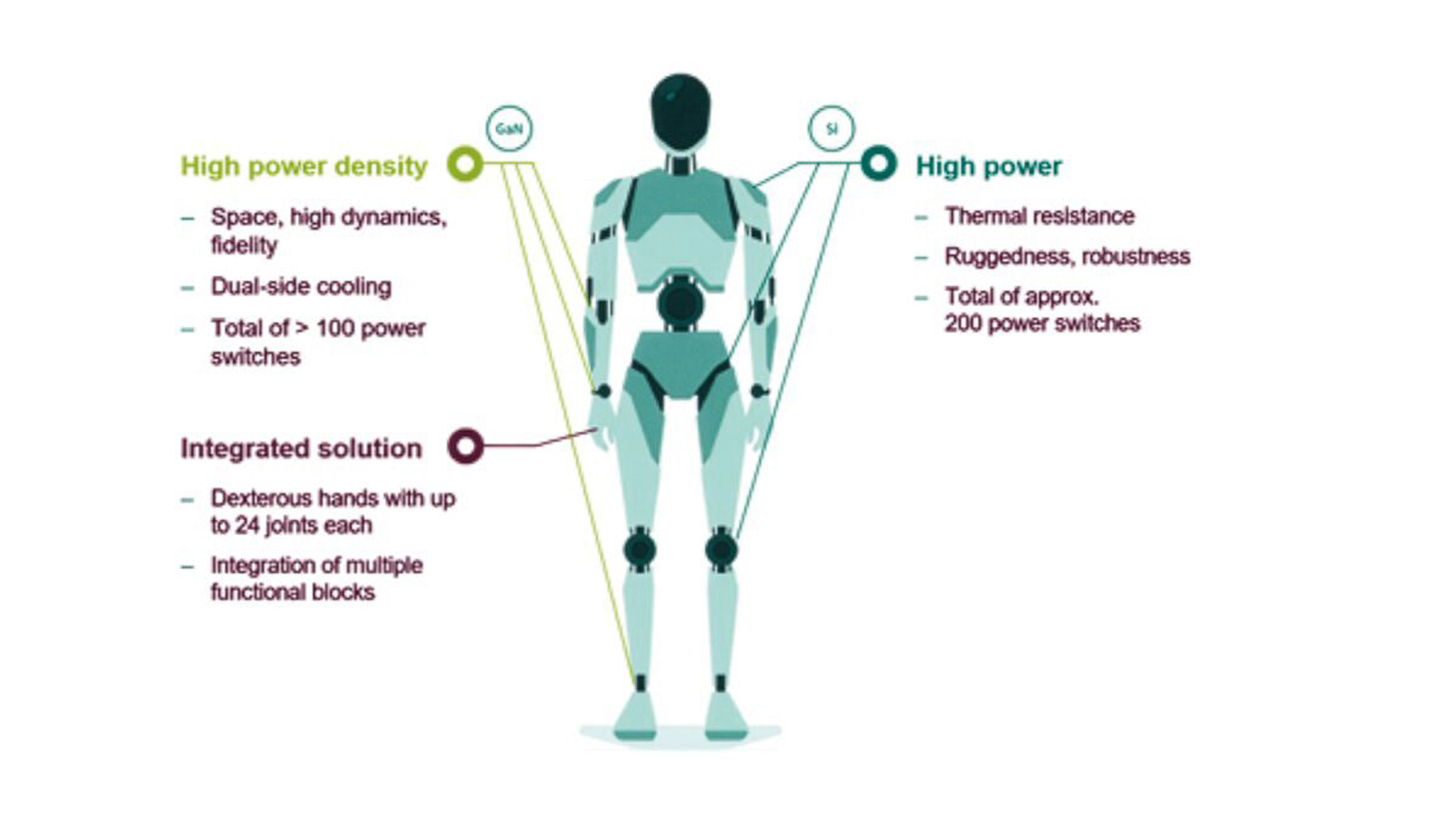
To enable human-like movement and dexterity, advanced humanoid robots may incorporate more than 70 actuated joints with up to 600 power switches distributed across the fingers, hands, arms, torso, and legs, forming a tightly interconnected electromechanical system of considerable complexity. From a system-level perspective, the coordination of dozens of distributed actuators requires deterministic, high-bandwidth communication networks, such as EtherCAT or TSN-enabled Ethernet, alongside robust functional and operational safety mechanisms to ensure reliable operation in human-centric environments.
At the actuator level, requirements vary considerably across the robot, ranging from high-current and high-power drives for load-bearing joints to highly compact and integrated solutions for hand and finger actuation. Depending on the requirements, different semiconductor technologies, package types, and levels of integration may be selected, as indicated in Figure 1.
For space-constrained actuators where integration is key, GaN offers advantages that extend beyond transistor-level performance. It enables higher switching frequencies that reduce motor current ripple and associated magnetic and winding losses. Furthermore, GaN specifically allows for highly integrated power stages that combine power switches, gate drivers and protection logic within a compact footprint. Besides GaN technology, Si MOSFETs remain an attractive alternative, particularly for actuators where cost-effectiveness, design flexibility, and proven robustness are key considerations. Leveraging a mature ecosystem and broad portfolio availability, Si-based solutions continue to provide an excellent fit for joints where integration density is less critical and power capability is a primary requirement.
Bringing together power semiconductors, drivers, sensing, control, communication, and protection within a compact form factor is central to the design of humanoid robot actuators. As a practical realization of this approach, the REF_HUMA_MTR_48V_25A integrates the essential building blocks of humanoid motor control on a single board.
Mid-power Joint Solution for Humanoid Motor Control
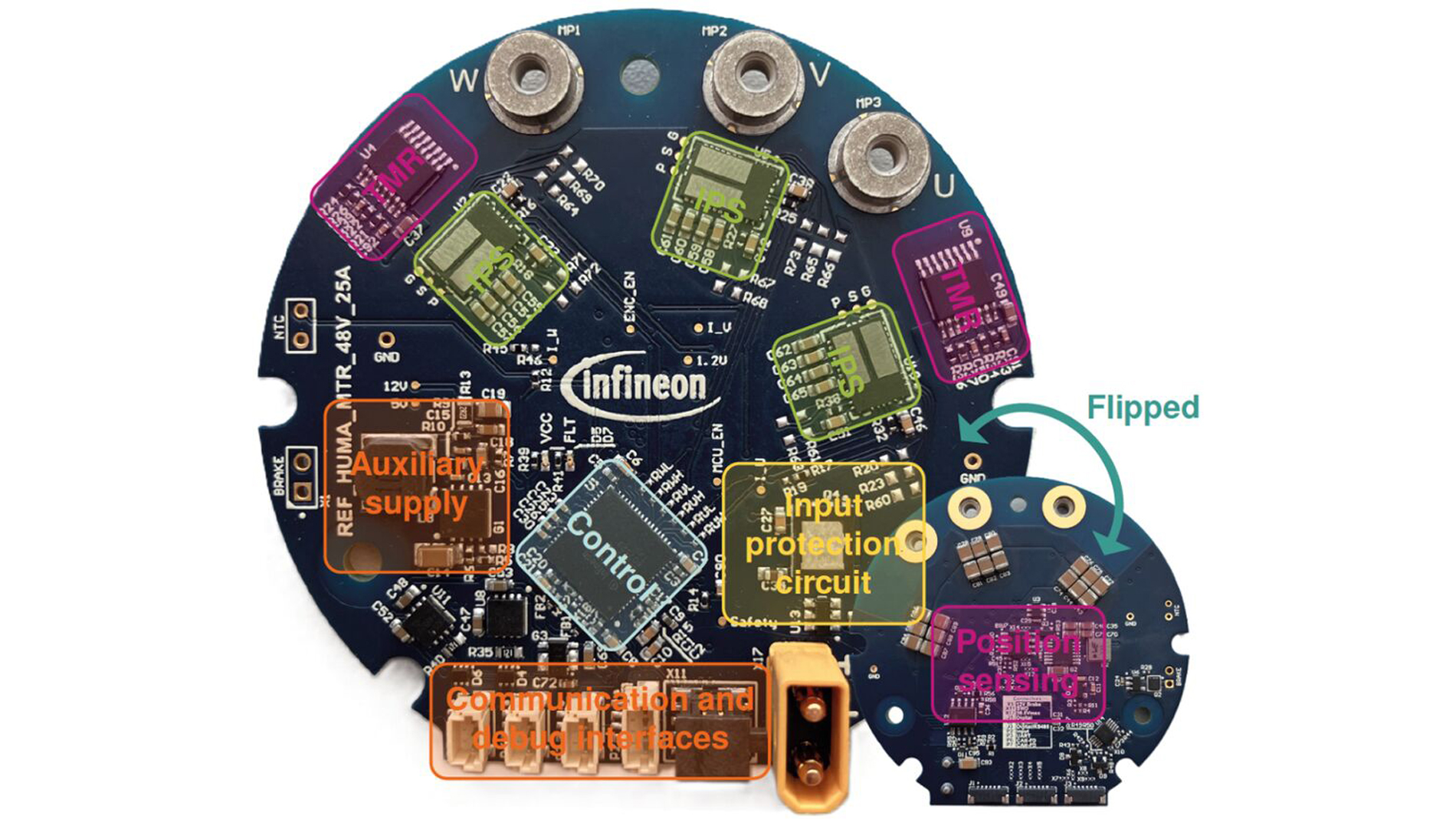
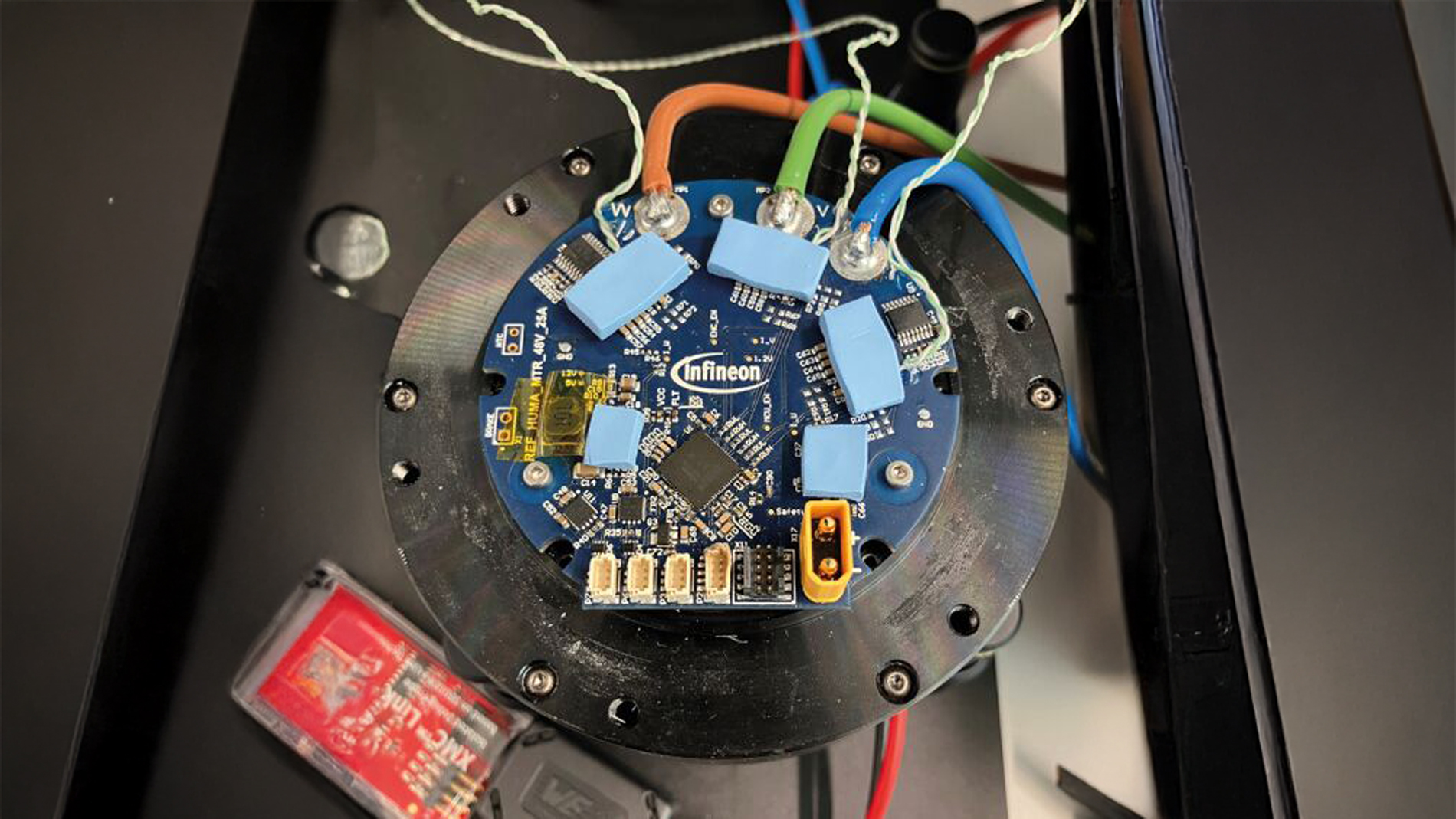
The REF_HUMA_MTR_48V_25A is a humanoid-focused motor control reference design that integrates essential building blocks of a robotic actuator, including power stage, controller, sensing, communication, and auxiliary power circuitry, as shown in Figure 2.
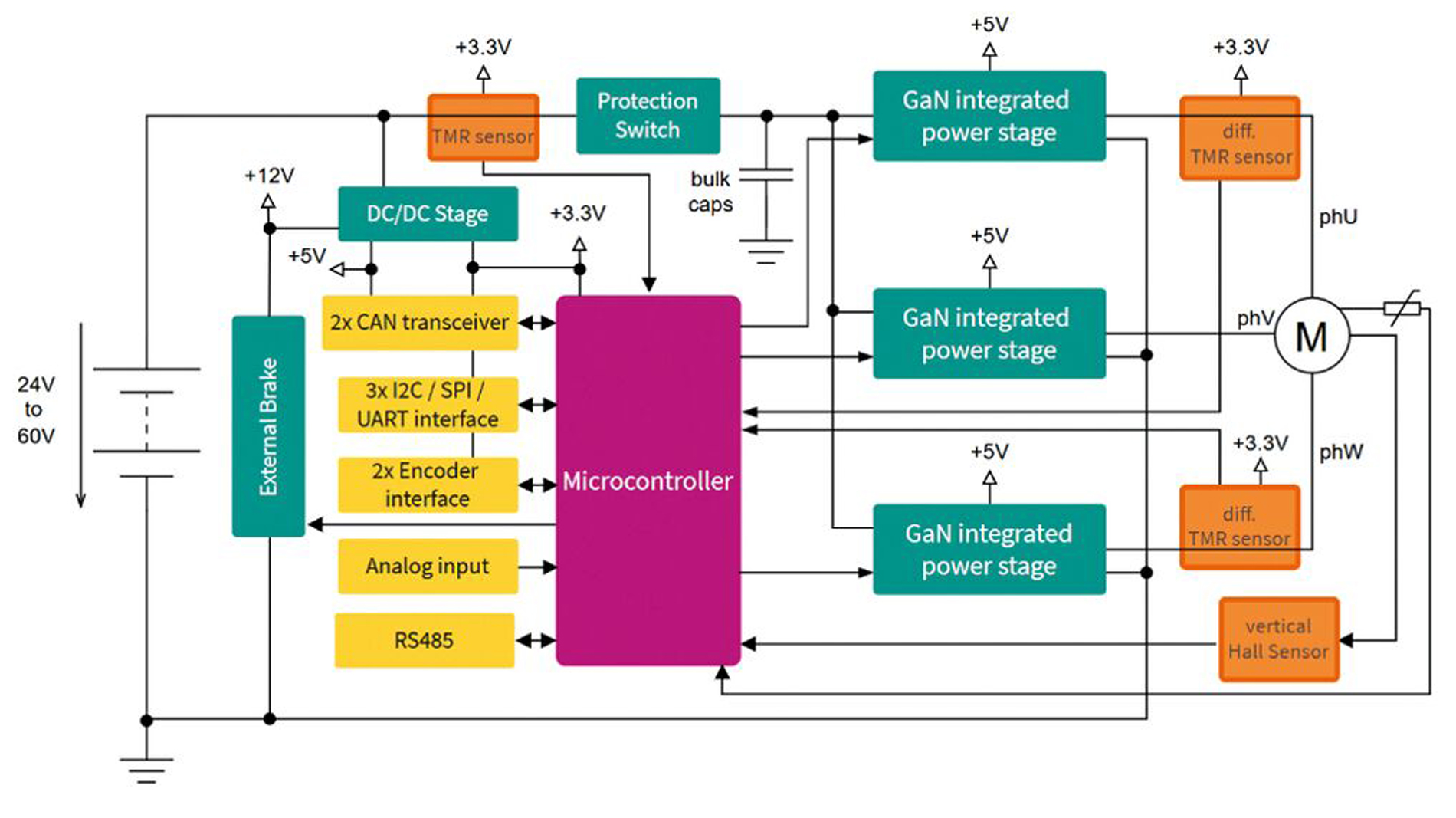
Targeting mid-power robotic joints, it integrates a 48 V motor drive capable of supplying up to 25 A RMS continuous for power levels slightly exceeding 1 kW into a compact 66 mm diameter single-board solution. An overview of the system architecture is shown in Figure 3.
The design is centered around three CoolGaN Drive IGJ022H10SA2L integrated power stages, each combining a GaN half-bridge and gate drivers within a compact 4.5 mm × 7 mm RQFN package. Particular attention was paid to thermal management, with the design implemented on a 6-layer PCB featuring a 2 oz copper stack-up.
For in-phase motor current measurement, the design integrates XENSIV TLE5571 coreless current sensors, which use two integrated TMR bridges including a differential amplifier to provide galvanically isolated current sensing with high immunity to external stray magnetic fields. In the reference design, U-shaped conductors on the first and second inner PCB layers are employed to improve magnetic field coupling, thereby increasing sensor sensitivity. For input current monitoring and protection, the design further incorporates the XENSIV TLE5572 monocell TMR-based current sensor.
Motor control is handled by a PSOC Control C3 microcontroller, featuring an Arm Cortex-M33 CPU operating at up to 180 MHz. The board also integrates two buck regulators to generate the required auxiliary supply rails for the MCU, sensing, and communication circuitry.
For motor position feedback, the design supports XENSIV TLE5012 and TLE49012 angle sensors, enabling precise acquisition of the rotor electrical angle, particularly important for achieving high torque at low speeds. In addition, a dedicated encoder interface allows connection of a second position sensor to support dual-encoder configurations. Such setups are commonly employed in humanoid robot joints utilizing mechanical reducers, where both motor-side and joint-side position information is required.
To facilitate integration into the overall humanoid control architecture, the platform further provides a comprehensive set of communication interfaces, including CAN-FD, I²C, SPI, and UART/RS485.
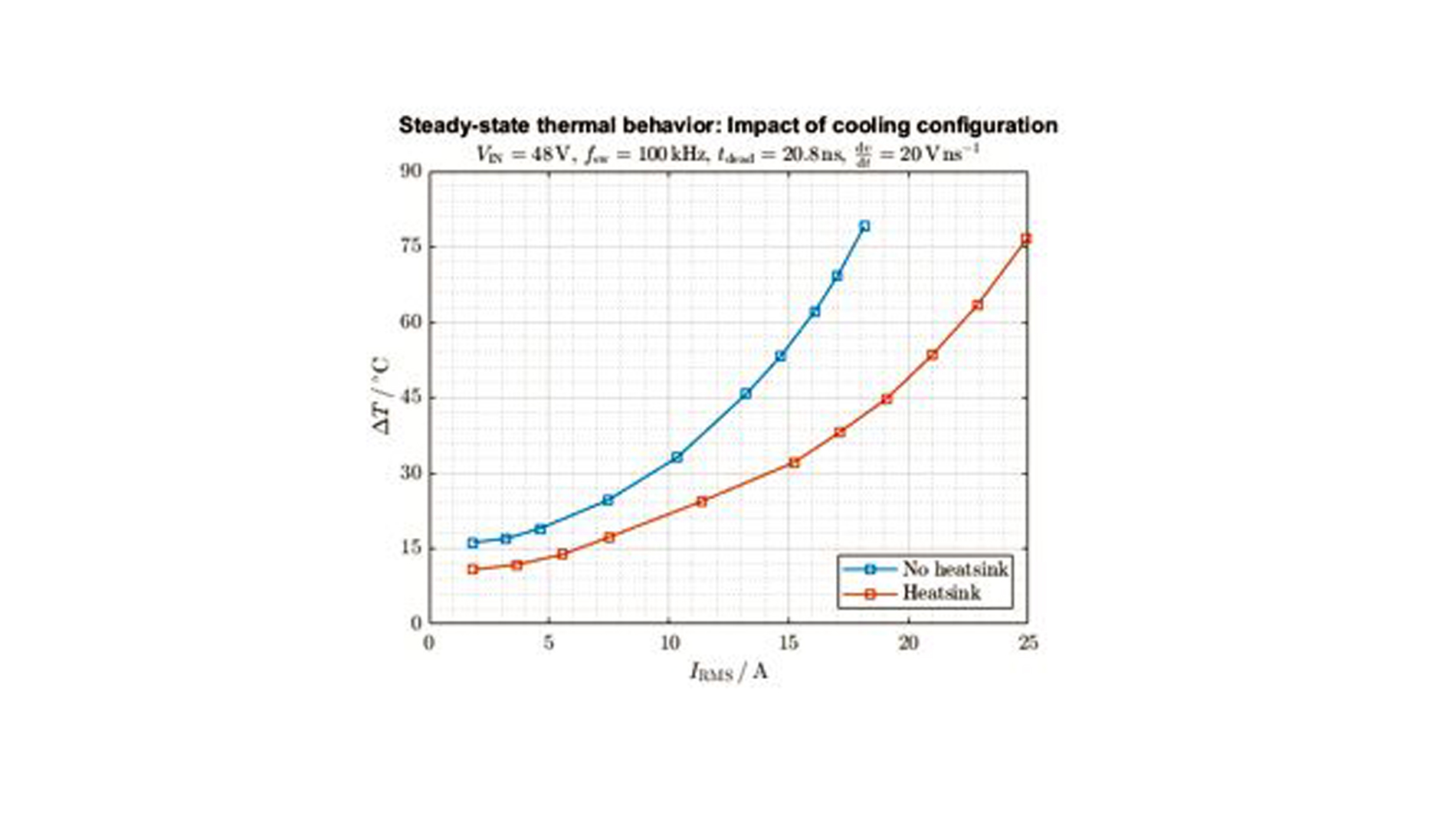
To validate the performance of the design, thermal measurements were conducted with the REF_HUMA_MTR_48V_25A mechanically integrated into a CubeMars AK10-9 V2.0 KV60 actuator housing serving as the heatsink. The measurements demonstrate continuous operation at up to 25 A RMS phase current, confirming the suitability of the design for mid-power humanoid robot joints. The thermal measurement setup and resulting steady-state thermal behavior are shown in Figure 4 and Figure 5, respectively.
Modular Design Platform
The REF_HUMA_MTR_48V_25A demonstrates how the key building blocks of a humanoid motor drive can be integrated within a compact single-board solution. However, while the fundamental functional blocks of humanoid actuators remain largely consistent, their implementation can vary considerably depending on requirements related to performance, cost, communication interfaces, safety, semiconductor technology, and vendor-specific preferences. Moreover, computing, communication, and safety functions can to a large extent be decoupled from the power electronics, creating a strong case for a modular design approach.
This enables rapid technology iterations and supports objective performance comparison of different hardware and software solutions. To support this flexibility, the architecture is partitioned into three interchangeable functional domains:
- Base power module – integrates the power stage, current sensing, protection circuitry, and basic communication interfaces
- Interchangeable MCU board – hosts the controller and associated circuitry
- Optional communication module – provides hardware support for EtherCAT or Ethernet-based connectivity
By decoupling these functions, each domain can be modified independently, allowing straightforward evaluation of alternative semiconductor technologies, control platforms, and communication standards. Figure 6 shows the realization of the modular platform with stacked modules.
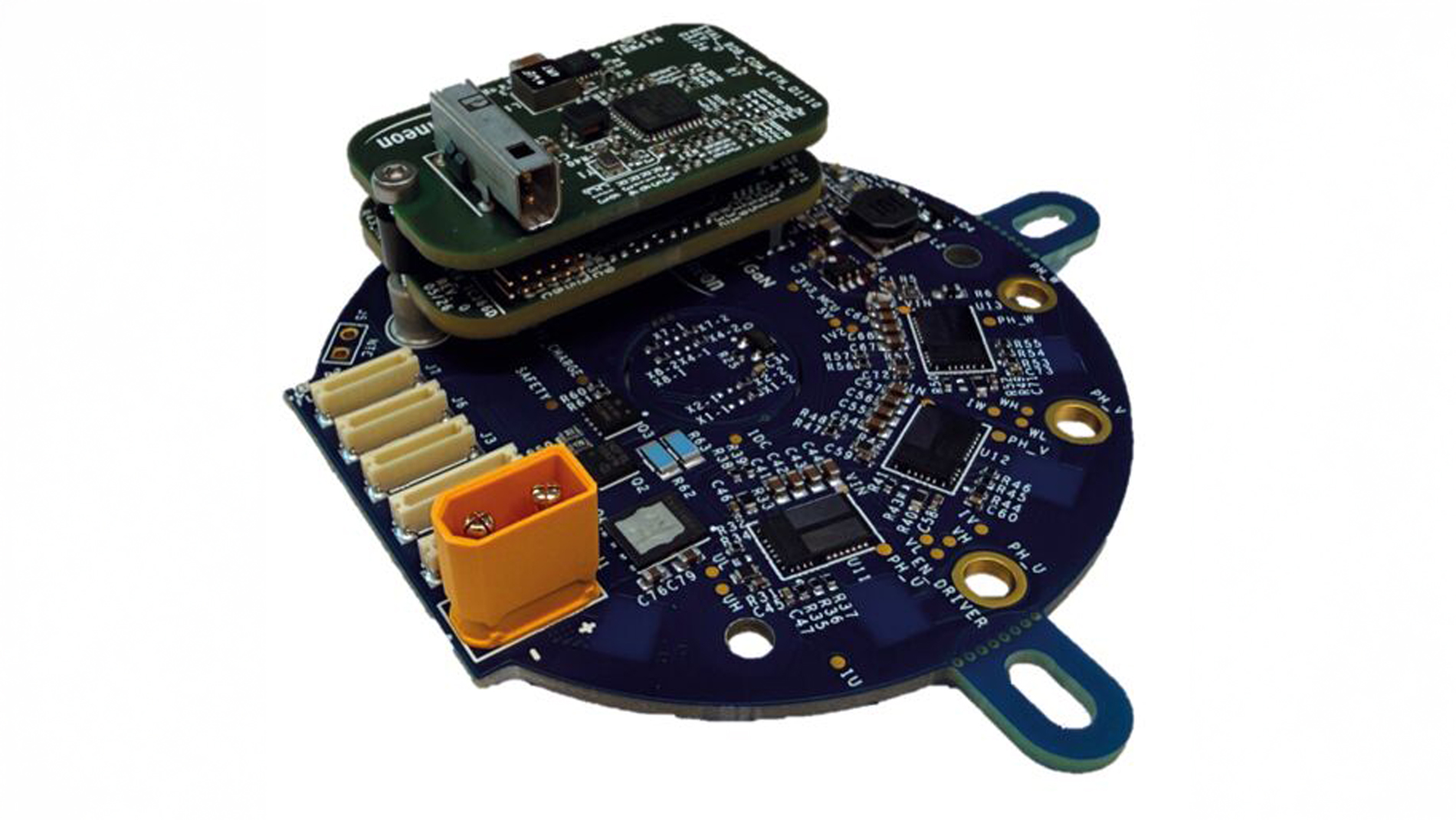
Among the possible power module implementations, the variant shown here employs three CoolGaN Drive IGJ022H10SA2L integrated power stages. In contrast to the single-board solution presented previously, this implementation utilizes the XENSIV TLE49781 high-bandwidth coreless current sensor. Combining Hall-effect and coil-based sensing elements, the device enables high-accuracy current measurement across a wide frequency range while maintaining galvanic isolation. The module further supports both End-of-Shaft (EoS) and Out-of-Shaft (OoS) position-sensing schemes, enabling adaptation to different actuator and gearbox architectures. EoS sensing can be implemented using either the XENSIV TLE5012 or TLE49012 magnetic position sensor. For OoS sensing, two XENSIV TLE49012 devices are arranged with a 90° mechanical offset. This dual-sensor approach not only enables improved position measurement accuracy through sensor fusion, but also introduces redundancy.
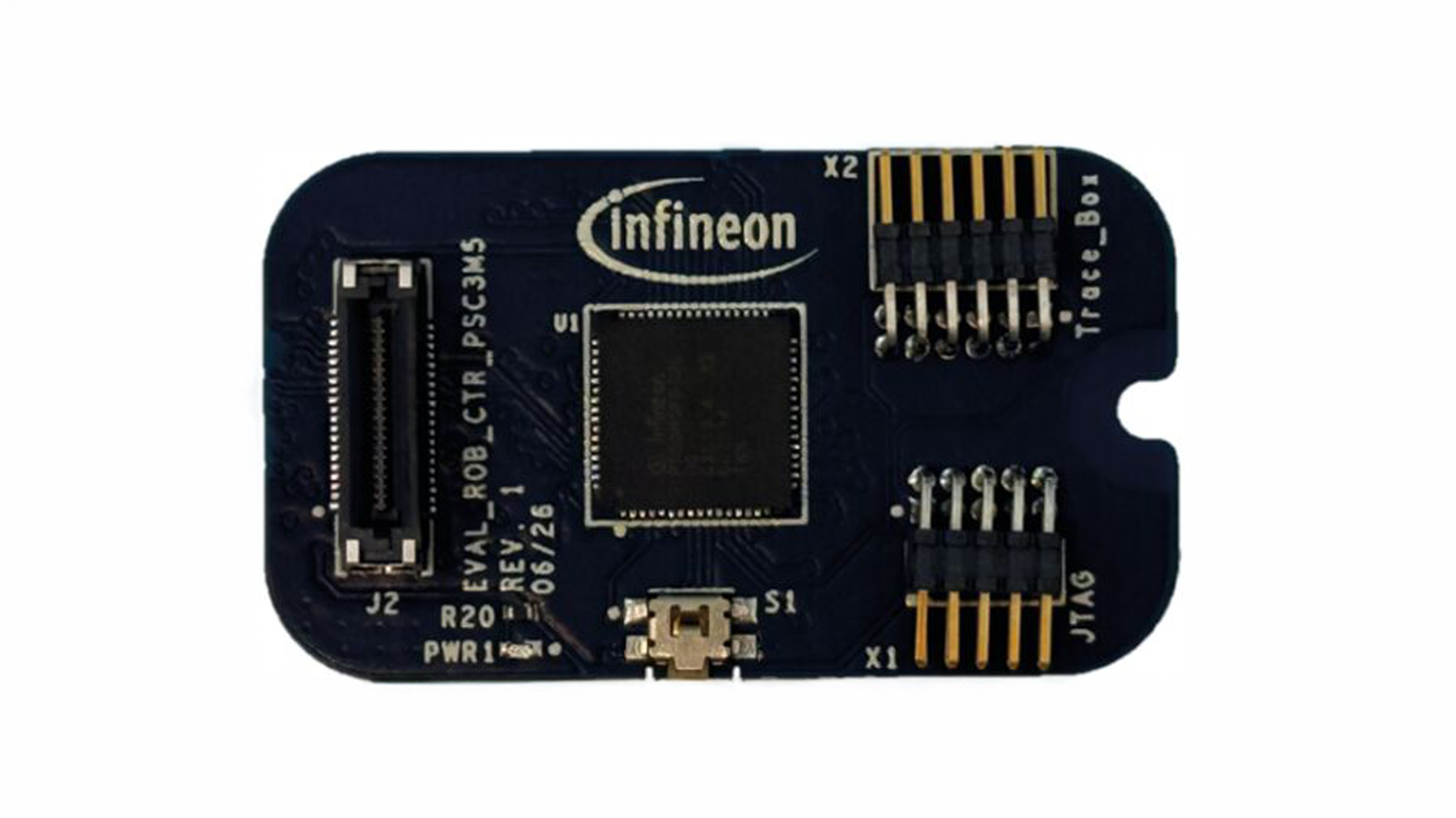
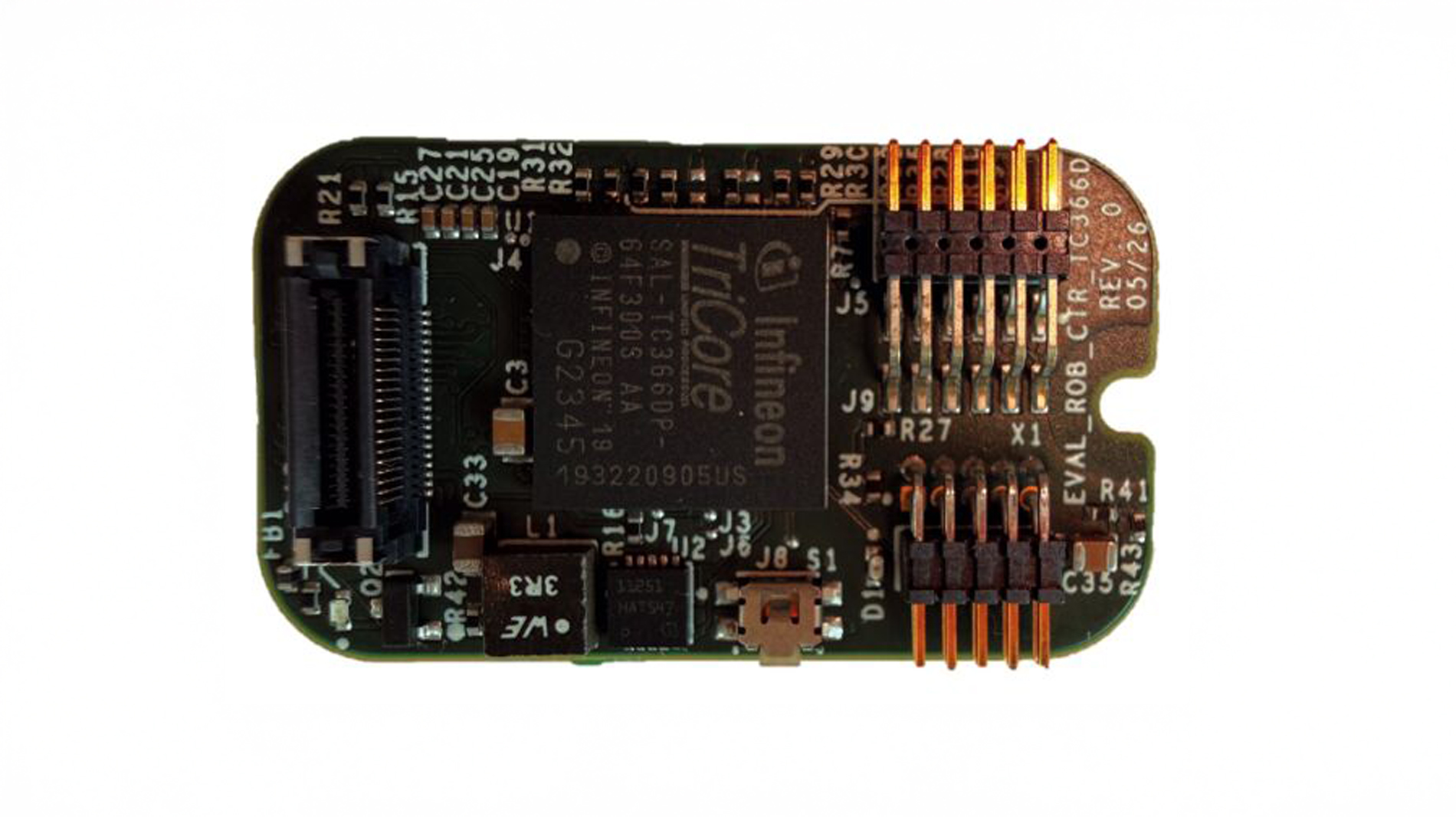
Stacked onto the base power module are interchangeable MCU boards sharing a common electrical and mechanical interface. One implementation, shown in Figure 7, is based on a PSOC Control C3 microcontroller, providing a flexible all-round control solution with support for multiple communication interfaces. This combination makes it suitable for a wide range of actuator designs, ranging from cost-optimized systems to feature-rich robotic applications. For more demanding robotic systems, an alternative MCU board based on an AURIX TriCore TC366 is available, as shown in Figure 8.
Its multi-core architecture enables a clear separation between motor-control and communication tasks, resulting in improved determinism. The board additionally provides an RMII interface that can be combined with an external communication module to support Ethernet-based networking.
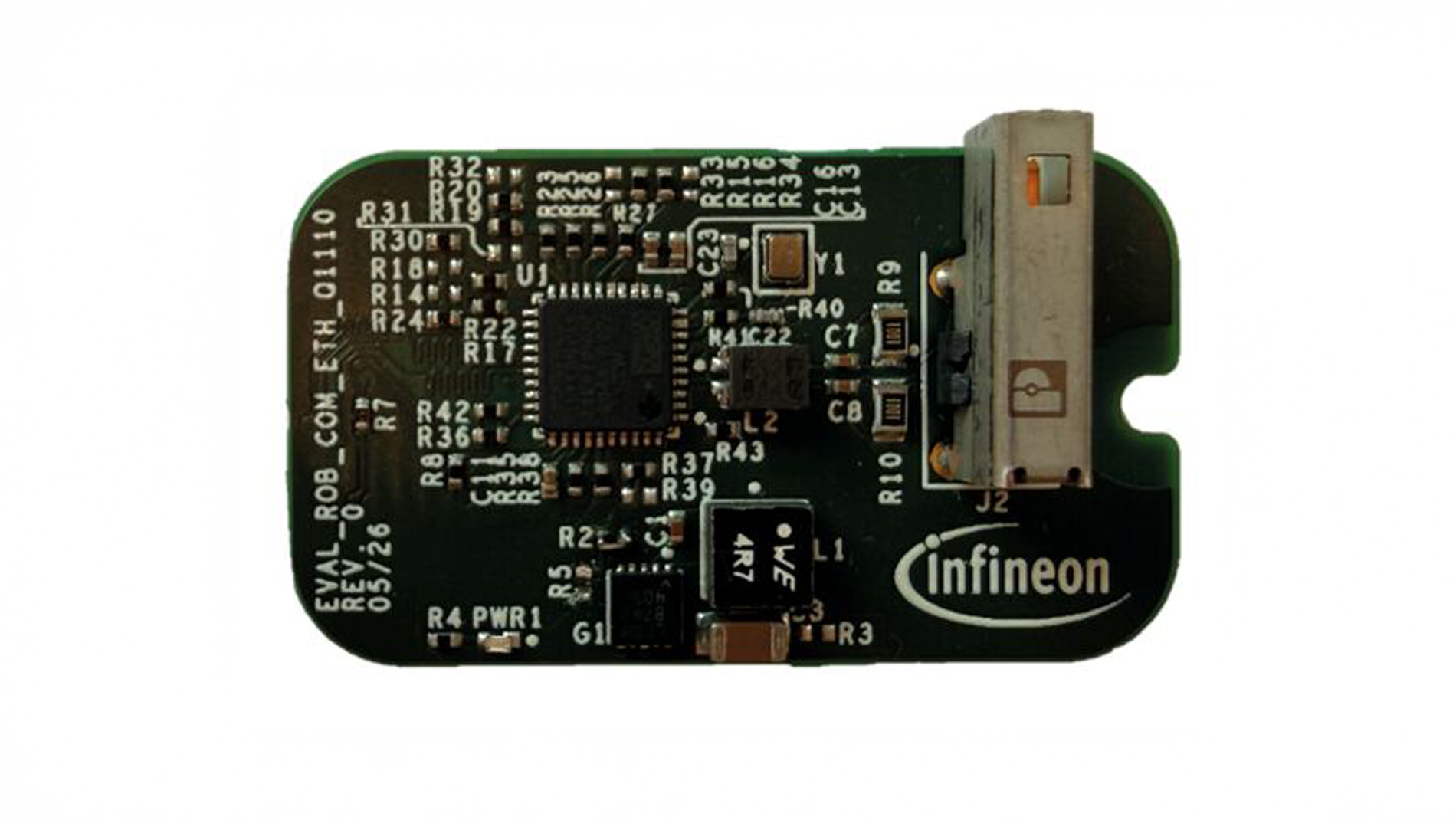
As humanoid robots evolve toward increasingly distributed sensing devices, the demand for high-bandwidth, low-latency, and deterministic real-time communication continues to grow. To address these needs, the platform supports dedicated communication modules that can be combined with the MCU board as required. Figure 9 shows a communication module based on the BRIGHTLANE 88Q1110 single pair Ethernet physical layer transceiver (PHY).
In combination with the RMII interface provided by the MCU module, this enables 100BASE-T1 communication and provides a foundation for TSN-based networking, supporting deterministic real-time communication within humanoid robotic systems.
Humanoid Robotic Demonstrators
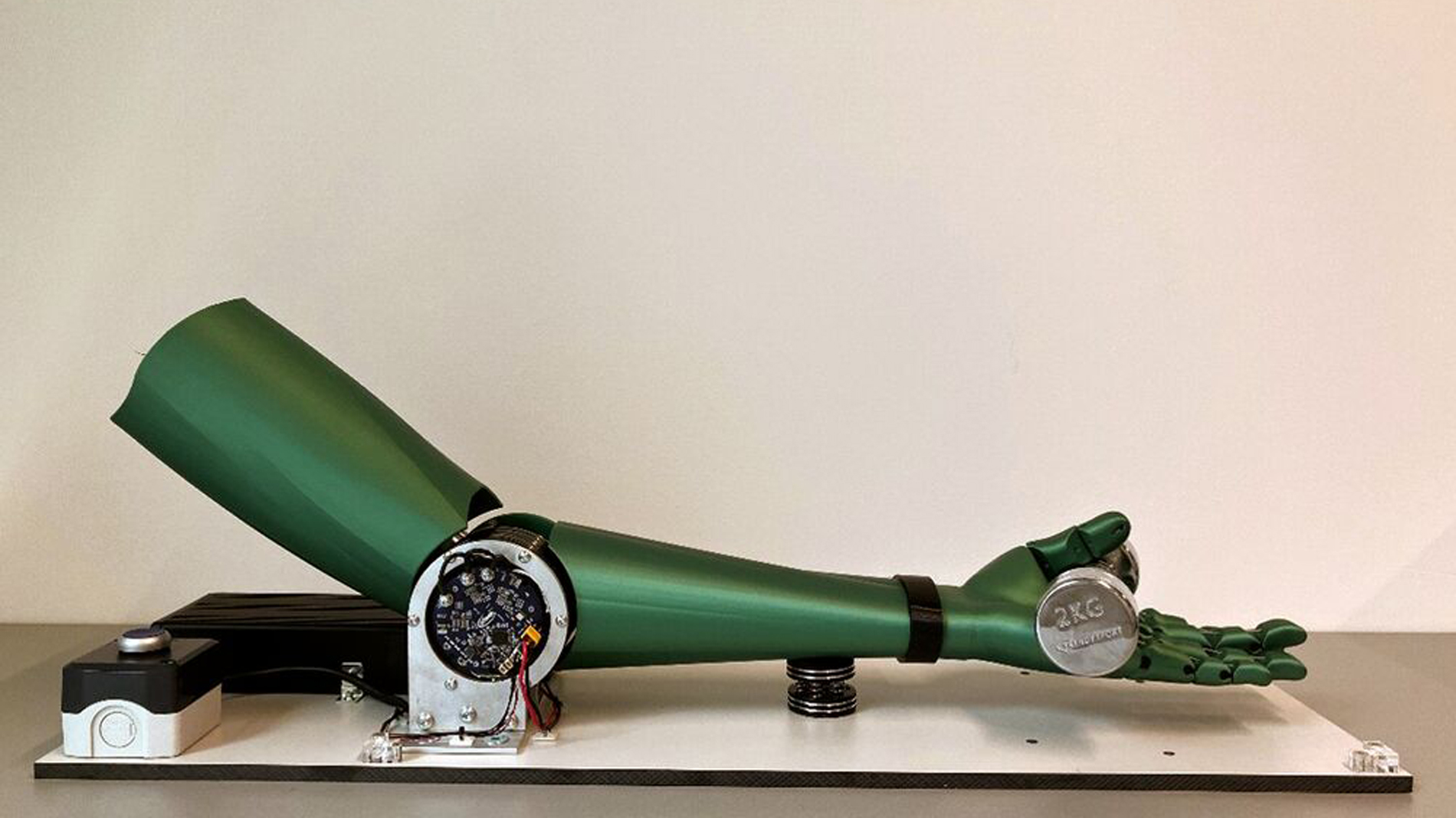
While the presented reference designs address the actuator level, humanoid robots ultimately rely on the coordinated operation of multiple drives. To demonstrate the suitability of the proposed designs in such systems, Infineon developed a series of humanoid demonstrators based directly on the presented hardware.
A first demonstrator implements a single-joint arm configuration, in which the elbow joint is actuated by a 48 V motor driven by the REF_HUMA_MTR_48V_25A, as shown in Figure 10.
The setup provides a representative environment for evaluating humanoid joint control and exercising the complete control stack, including sensored field-oriented control with cascaded current, speed, and position control. By executing predefined motion profiles under defined mechanical loading, it showcases the interaction between power semiconductors, sensing, control algorithms, and communication interfaces. This occurs under realistic operating conditions.
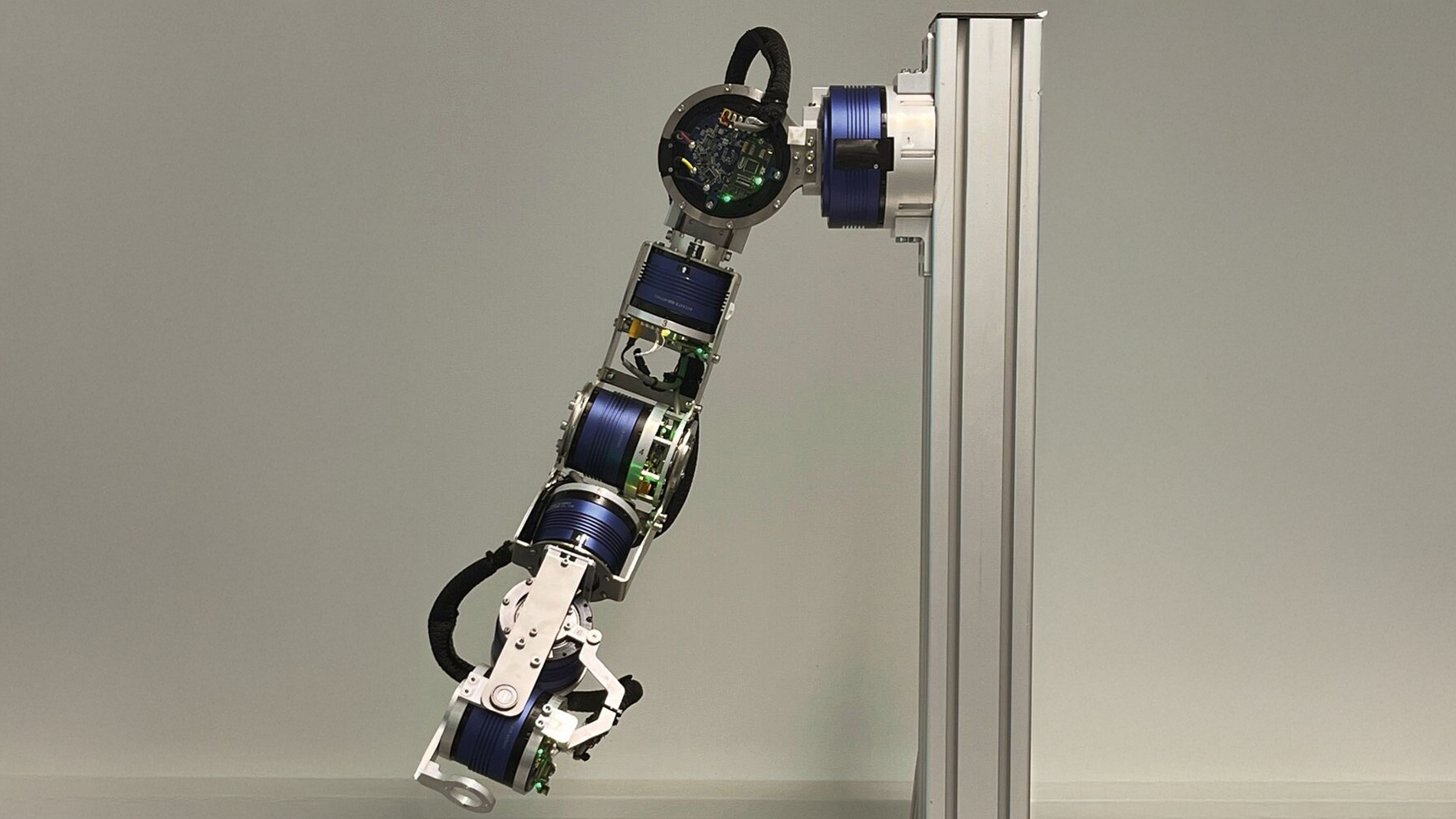
Building on the experience gained with this single-joint setup, Infineon further developed a fully integrated 7-degree-of-freedom (7-DoF) humanoid robotic arm, shown in Figure 11.
The system combines seven high-torque 48 V motors, each equipped with motor control electronics derived from the modular design platform. In doing so, it demonstrates how Infineon’s semiconductor portfolio, ranging from PSOC motor-control MCUs and CoolGaN power devices to XENSIV magnetic sensing solutions and CAN/Ethernet connectivity, can be integrated to realize a complete humanoid robotic platform. Beyond showcasing individual technologies, the robotic arm provides a customer evaluation platform for exploring and benchmarking different combinations of power stages, sensing technologies, control architectures, and communication solutions. At the same time, it serves as a reusable foundation for future innovation, enabling rapid assessment of emerging semiconductor, sensing, safety, and communication technologies.
Building on the hardware platform, system-level functionality is evaluated through a ROS-based control framework. Real-time motion generation is performed on a NVIDIA Jetson Thor, which computes target trajectories and commands the seven joints. The resulting movement is simultaneously reflected in a digital twin running in NVIDIA Omniverse, with visualization provided by NVIDIA DGX Spark. This creates a seamless virtual-to-physical development environment, enabling robot motion to be observed and validated concurrently in the digital and physical domains, paving the way for AI-enabled humanoid robotic systems.
The Road Ahead
The convergence of cutting-edge semiconductors, advanced motor control, high-speed networking, AI computing, and digital-twin technologies is accelerating the evolution of humanoid robotics. From compact reference designs to fully integrated robotic demonstrators, the solutions presented in this article illustrate a scalable path from semiconductor innovation to complete robotic systems. (st)